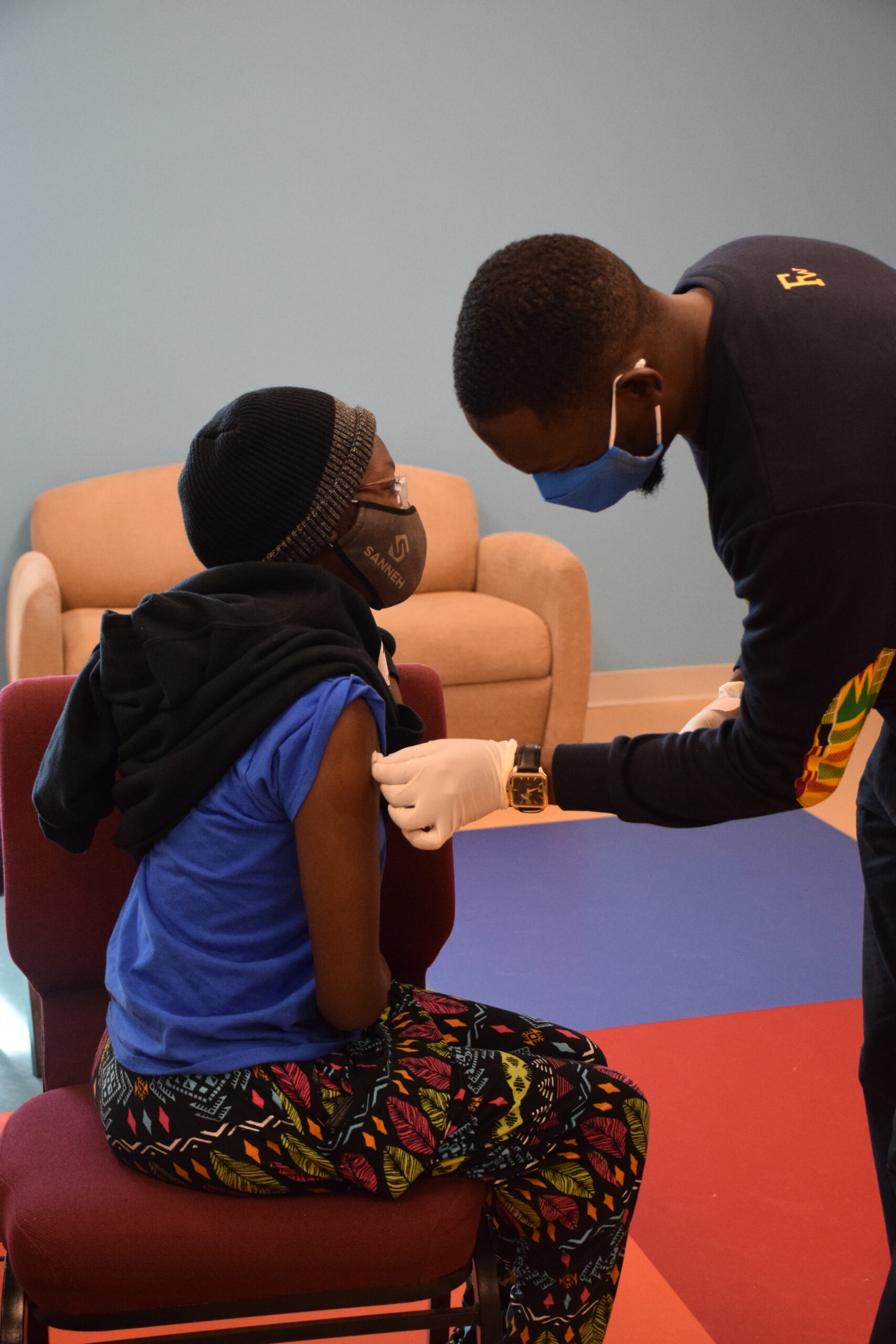
Years after the height of the pandemic, many people in our communities are still living with the long-term effects of COVID-19. For those experiencing Long COVID, recovery is not simply about moving on but also about managing persistent symptoms while navigating a healthcare system that is still learning how to respond.
Mary Lay (a pseudonym) understands this reality firsthand. 
At 68, Mary has spent most of her life serving others. She worked for 25 years as a nursing assistant, caring for patients during some of their most vulnerable moments. She later spent more than 15 years as a pastor, supporting and guiding her community. Today, she is a grandmother who wants to remain active and independent but Long COVID has dramatically changed her daily life.
Her illness began with a high fever and severe weakness. Even basic activities like showering became exhausting. Although some strength eventually returned, the symptoms never fully went away.
Mary now lives with ongoing fatigue, numbness in her feet, trembling, loss of appetite, and loss of smell. Shortness of breath makes conversation tiring, and restless nights leave her drained by morning. Balance has become a serious concern; she sometimes steadies herself against walls while walking, worried about falling.
Small acts of self-care, like soaking her feet for relief, have become essential parts of her routine.
Mary’s experience reflects a broader reality. Research shows that Long COVID symptoms can persist for months or even years after infection. More than a quarter of people living with Long COVID report debilitating fatigue lasting one to three months, and about 10% experience fatigue for a year or longer. Many continue to experience respiratory symptoms, heart palpitations, or neurological challenges that disrupt everyday life.
These health challenges often carry economic consequences. Nearly one in five individuals with Long COVID report reducing their work hours, while others must avoid certain tasks because their bodies can no longer keep up with daily demands. For many families, this creates difficult choices between income, stability, and health.
Accessing care remains another major challenge. A large majority of patients report difficulty finding healthcare providers who understand Long COVID well enough to offer meaningful treatment. Many patients face repeated appointments, referrals without follow-through, and ongoing uncertainty.
Stories like Mary’s highlight why continued research, education, and community support remain essential.
Organizations like African Career, Education, and Resource Inc. (ACER) are helping bridge these gaps by supporting community-informed research and ensuring residents have access to trusted health information and resources. By listening to community experiences and advocating for better support systems, organizations like ACER help ensure that people living with Long COVID are not overlooked. 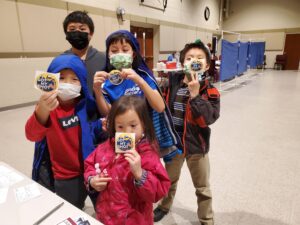
Mary continues to move forward with resilience. After a lifetime of caring for others, she hopes to regain the strength and stability needed to maintain her independence and remain active in the community she has called home for more than three decades.
Her story is a reminder that the pandemic’s impact did not end when the emergency phase passed. For many people, the journey toward recovery is still ongoing—and continued attention, research, and community-driven solutions are critical to meeting that need.